
5 Ways Digital Rules Transform Your Compliance Management System
Digital rules turn legal text into executable logic. This blog explores how the next generation of compliance management systems use digital rules to automate validation, standardize interpretation, and enable real-time monitoring at scale.
Regulations Were Written for Lawyers — Not Machines
Mortgage regulations were never designed for modern automation. They were written for human interpretation—long paragraphs, scattered exceptions, footnotes, and definitions spanning hundreds of pages.
Twenty years ago, this worked.
Today, it doesn't.
Compliance teams now face:
- Increasing regulatory volume
- Faster update cycles
- Stricter expectations from regulators
- Rising operational burdens
Manual interpretation simply cannot keep pace. The industry doesn't just need new tools—it needs new rule formats.
This is the foundation on which the next-generation compliance management system must be built.
The Problem: Compliance Still Lives in PDFs
Every institution struggles with the same reality:
- Regulations are delivered as text or PDF
- Teams interpret them manually
- Interpretations differ across individuals
- Rules must be rewritten before they can be implemented
- There is no universal, machine-readable "source of truth"
Even the most sophisticated lenders still translate regulatory text into:
- Policy documents
- Checklists
- Audit questionnaires
- Excel trackers
- LOS or QC rules
- Servicing procedures
This process is slow, error-prone, costly, and nearly impossible to scale—especially as regulators continue updating rules without consistent version control.
How legal text becomes digital rules inside a modern compliance management system—powered by VeritIQ.
The Transformation: From Text → Requirement → Data → Logic
In the new generation of compliance management systems, regulatory text is decomposed into its smallest functional components: individual, atomic regulatory requirements.
Each requirement includes:
- Condition: When the rule applies
- Standard: What must be true
- Data: Fields required for validation
- Action: What must happen
- Timing: By when
- Exceptions: When it does not apply
Once structured, these pieces form machine-readable logic—logic a system can execute automatically.
This is the foundation of a Digital Rule.
What Is a Digital Rule?
A digital rule is a machine-interpretable version of a regulatory requirement.
It is the computational layer beneath compliance.
Legal Text Example:
"A servicer must send a written acknowledgment within 5 days of receiving a borrower's Request for Information."
Digital Rule Example:
This is the difference between reading compliance and executing compliance.
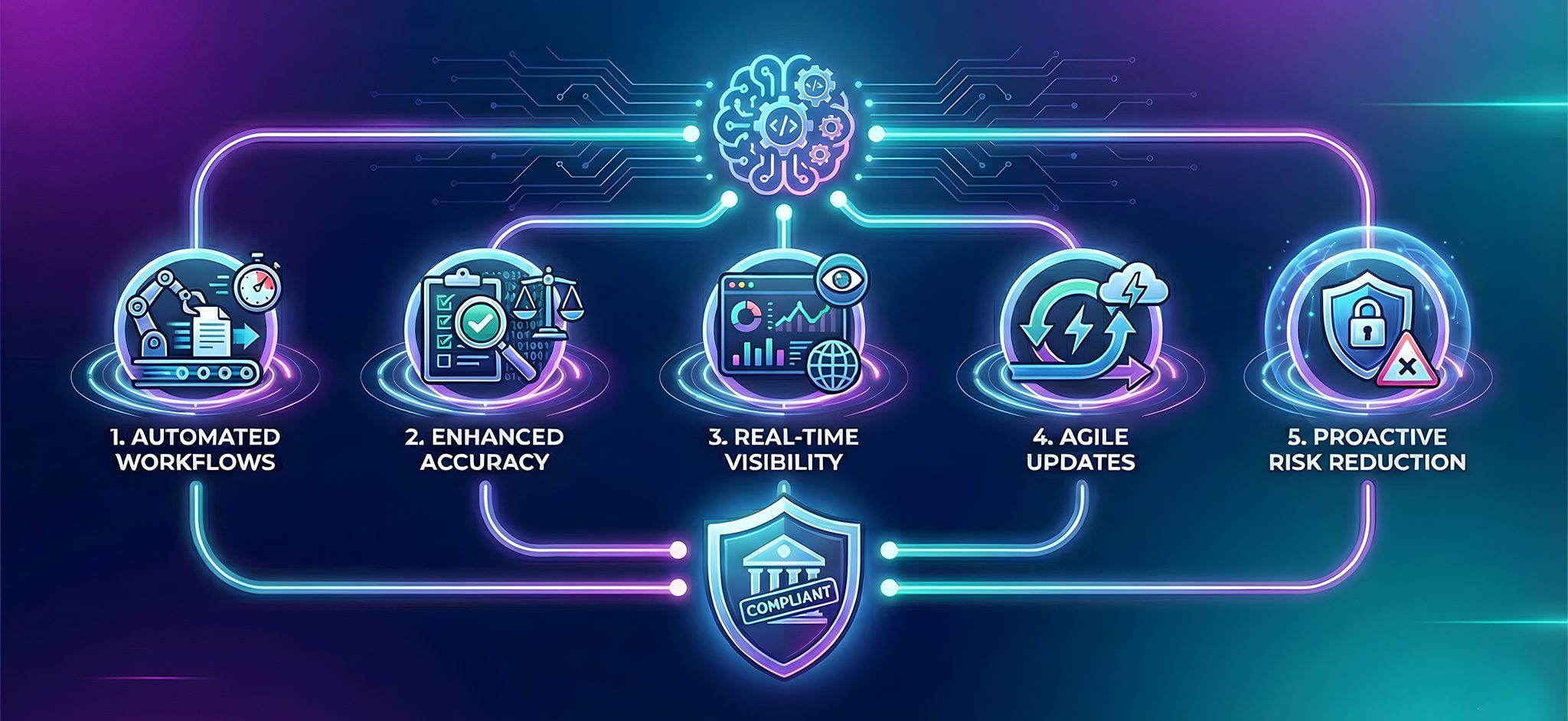
5 Ways Digital Rules Transform Your Compliance Management System
Automated Validation
Instead of auditors checking spreadsheets and documents manually, ARC automatically validates whether your loan or servicing data meets each regulatory requirement.
This shifts compliance from manual review → continuous automated verification.
Consistent Interpretation Across the Institution
People interpret regulations differently. That variability introduces risk.
Digital rules eliminate interpretation gaps by standardizing every requirement into consistent logic—ensuring alignment across:
- Teams
- Locations
- Lines of business
- Audits
- Examinations
Faster Adoption of Regulatory Changes
Once a rule is digitized, updates propagate instantly across:
- Audit templates
- QC workflows
- LOS validations
- Servicing timelines
- Reporting requirements
No more rewriting checklists or updating PDF binders.
Digital rules reduce update cycles from weeks to minutes.
Stronger Audit Defense
Digital rules provide a defensible audit trail:
- What version of the rule was active
- How it was interpreted
- How it was applied
- How data was validated
- When the validation occurred
When regulators ask why, ARC can show how.
Real-Time, Systemwide Compliance Monitoring
Once rules exist in digital form, your compliance management system becomes a living system—one that:
- Monitors continuously
- Flags issues automatically
- Tracks version-controlled rules
- Alerts teams when changes occur
- Validates every requirement at scale
This is how institutions move from reactive compliance → proactive compliance.
How VeritIQ Builds Digital Rules Inside ARC
ARC doesn't just monitor regulations. It breaks them down and digitizes them using a hybrid model:
- AI parses regulations into granular requirements
- Human reviewers validate and prioritize high-impact items
- Each requirement becomes a structured Digital Rule
- Rules are linked to data, timing logic, conditions, and exceptions
- ARC automatically evaluates compliance against loan or servicing data
- Every rule includes version history for regulatory traceability
It's AI for scale.
Humans for judgment.
Digital rules for reliability.
Digital Rules Are the Foundation of Automated Compliance
True automation is impossible until rules exist in digital form.
By converting legal text into executable logic, ARC enables:
- Continuous monitoring
- Automated validation
- Real-time alerts
- Reduced operational burden
- Faster implementation timelines
- Higher accuracy
- Traceable audit trails
This is the future of automated compliance management.
The Takeaway
A modern compliance management system doesn't replace humans.
It empowers them—by giving them a digital rule system that finally matches the complexity of the industry.
Legal text → structured requirements → digital rules → automated compliance.
This transformation is already underway inside ARC, and it is redefining how mortgage institutions achieve accuracy, speed, and confidence.